

Survey: Race and Gender in Fundraising Bias
The national sample of 1,010 evangelical Protestants was shown the same ad, but the child pictured was either Asian, Black, Latino, or White, to explore race and gender fundraising bias.
The national sample of 1,010 evangelical Protestants was shown the same ad, but the child pictured was either Asian, Black, Latino, or White, to explore race and gender fundraising bias.

According to Barna, Pastors who havent thought about leaving ministry say 'the immense stress of the job' (34%), 'current political divisions' (32%) and feeling 'lonely and isolated' (18%) are factors that have negatively impacted their ability to lead at their church within the past year, highlighting a significant pastor health decline.

Most churchgoers believe tithing is a biblical command, but opinions on church tithing practices, including the 'where' and 'how,' are diverse.

Most Protestant churchgoers say their churches encourage them to serve people not affiliated with their church and that they want to do so. But the gap between churchgoers want to serve and actual volunteering persists.

More than 1 in 10 churchgoers say someone in their congregation has provided foster care, adopted a child from the U.S., or adopted a child from another country within the last year, reflecting a growing focus on church foster care adoption.
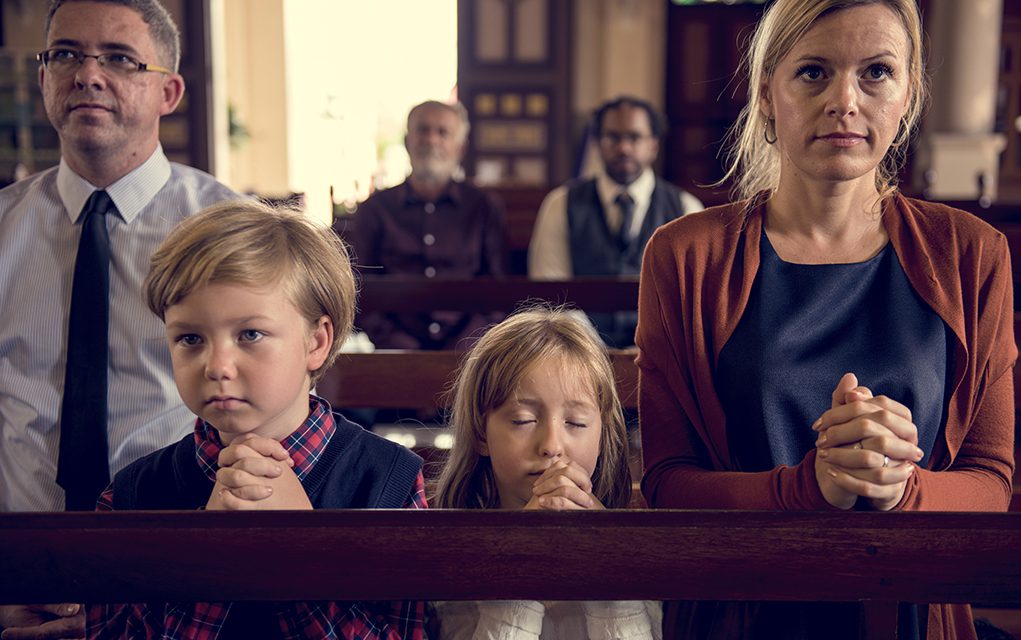
Related studies conducted by the Cultural Research Center during the pandemic suggest that the Millennials rejection of biblical Christianity did not serve them well, and a new focus on pandemic faith changes by generation reveals that three-quarters reported lacking purpose and meaning in life.

A new study shows overwhelming belief among evangelicals that faith improves mental and physical health—but their daily habits don’t always match.

The biggest statistical change noted between 2020 and 2023 among U.S. adults overall was a staggering 20-percentage point decline in those who believe they have a unique, God-given calling or purpose for their life, highlighting shifts in the American church post-COVID.

The majority of Hispanic congregations are actively engaged in their community for the purpose of sharing the gospel. This includes serving the practical needs of people, conducting special events to meet people and proclaim the gospel, and church members personally sharing the gospel in conversations, demonstrating effective Hispanic congregations outreach.

While almost a third of this younger generation does not claim a particular religion (the “nones”), they attend religious services at a slightly higher rate than their Millennial and Gen X parents.


