
Do You Know These 5 Church Community Demographics?
By Sam Rainer
Pastors and church leaders often overlook the basic demographics of their local areas. This disconnect frequently occurs because perceived community traits do not align with reality. While leaders may feel they understand their neighbors, many hold a skewed perspective that hinders effective ministry.
- Demographics tend to change gradually and often go unnoticed.
- Keeping an existing circle of friends is easier than deepening our relationship with others.
- We tend to go to places where people are like us, which means we often do not see the areas where demographic changes are occurring in the neighborhood.
To bridge this gap, pastors must implement demographics-informed outreach strategies. Relying on outdated assumptions prevents a church from truly connecting with the people living right outside its doors.
Dramatic shifts can occur in a neighborhood without the congregation noticing. Even the most intentional churches risk overlooking key segments of the population if they fail to adapt to shifting demographics and evolving community needs.
Last year, I wrote an article about four often-missed demographics by churches. I will continue the theme this year with five more demographics churches fail to know about their communities. I’ll use my community in Bradenton, Florida as an example.
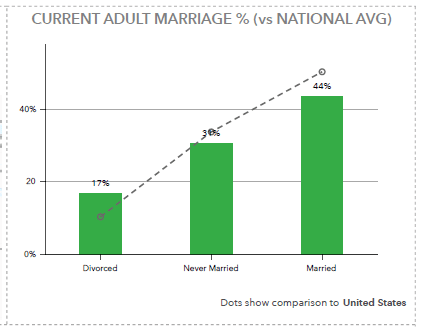
1. What is the marriage rate compared to the national average? In my community, we have a higher divorce rate and a lower marriage rate than typical. Therefore, we tend to have more single-parent homes and older people who are single.
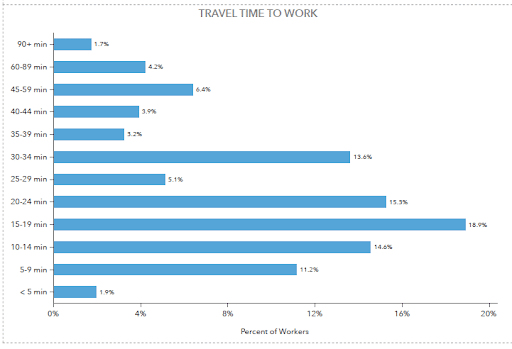
2. How far do people tend to travel to work? This demographic has changed drastically in many communities. Even if people commute the same distance to work, they are not driving as often as in the past. Most people in our community drive less than thirty minutes to work.
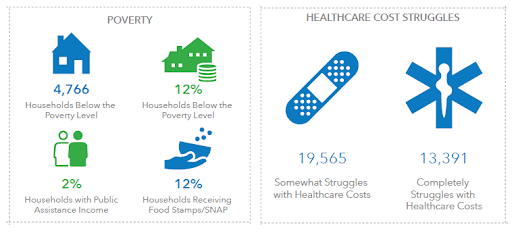
3. How many people struggle with poverty and healthcare? Rarely do pastors and church leaders know how many in their communities live below the poverty line and struggle to pay medical bills. If you want to care for the least of these, then you must know this data about your neighborhood. In the Bradenton area, for example, 12% of households are below the poverty level—almost 5,000!
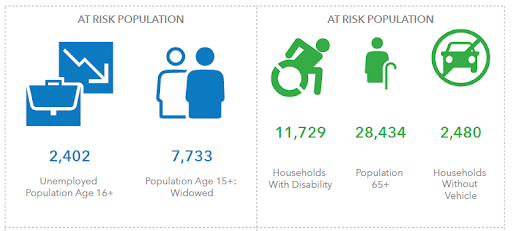
4. How many in your area are unemployed, widowed, or have a disability? Like the previous demographic, the at-risk population is often underserved and neglected. Knowing the size of this group will help you understand the gravity of need in your neighborhood.
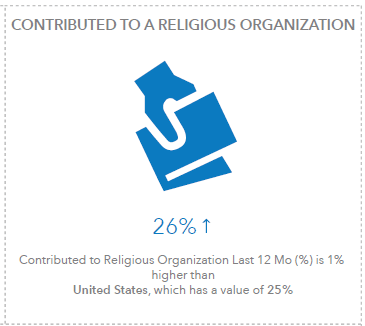
5. What are the rates of religious giving in the community? Is your community generous when it comes to supporting religious work? It’s good to know how you compare to national averages. The Bradenton area is right in line with the national average.
Where did I get this information? In a resource provided by Church Answers! We recently updated our popular Know Your Community report with all new 2022 data. All the data in this article is available for your community, plus much more. We’ve also expanded several new demographics and psychographics. Click here to learn more about this report and order one.
This article originally appeared on ChuchAnswers.com and is reposted here by permission.
