

Centering Our Lives on Scripture
When we tell the biblical stories, Centering Our Lives on Scripture helps us show that they still make sense in our society, and we need to do so in a way that reaches the heart of the next generation.
When we tell the biblical stories, Centering Our Lives on Scripture helps us show that they still make sense in our society, and we need to do so in a way that reaches the heart of the next generation.

There are no perfect cultures. Every culture and people is challenged and made into the best version of itself through an encounter with the living God. The Whole Body of Christ interpretation invites us to learn from diverse voices while remaining rooted in the Gospel.
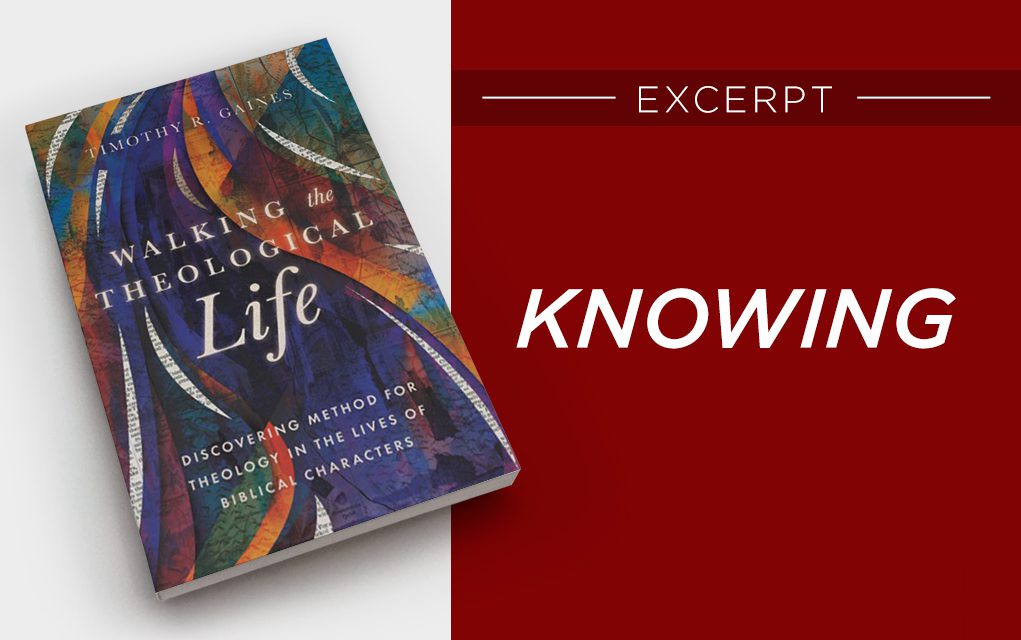
Nearly every scientific discovery made in the past few centuries sought to know by stripping away the shroud of mystery so that we might make use of newfound knowledge, walking the theological life.

So many gospel presentations and simple summaries present the gospel as escape from sin and the world and entrance into eternal life. Such gospels skip life now and head for the eternal prize.
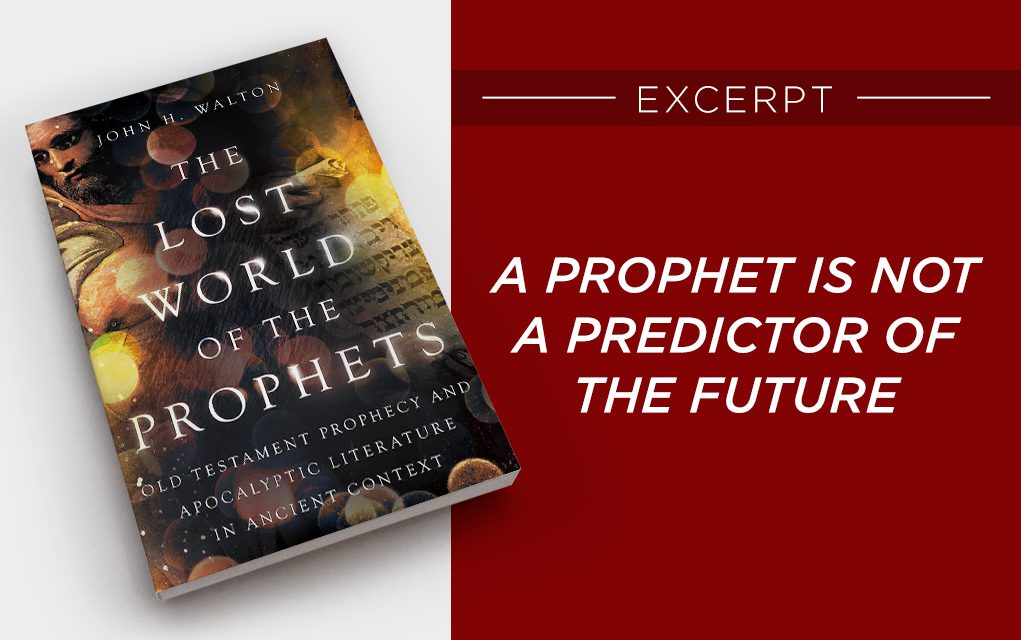
The prophets claim more, and the people credited them with more than just astute human discernment. This article argues that prophecy is not prediction, reframing how we read prophetic messages today.

If one’s internet searches illuminate our hidden desires, this article examines the transcripts of our desires as a cultural record.

The Heart of the Bible asserts that the cross is the axis upon which the biblical story turns. Who is God? God is the one who was crucified between two criminals on Good Friday.

Overlaying the maps of these two intellectual worlds—the Bible’s and evolutionary science’s—will illuminate perspectives within the Creation-Evolution Debate and how they conceptualize the world we know today.

When we do theology, our task is not to add to what God has revealed in the Scriptures, but to order it. Theology is a way to organize and better know and understand God's gifts in special revelation.

In light of the unique role that written texts have played in Christianity for two millennia, it will be helpful to briefly consider what may be determined regarding the New Testament composition process and the manner in which the biblical authors composed and distributed their works.


